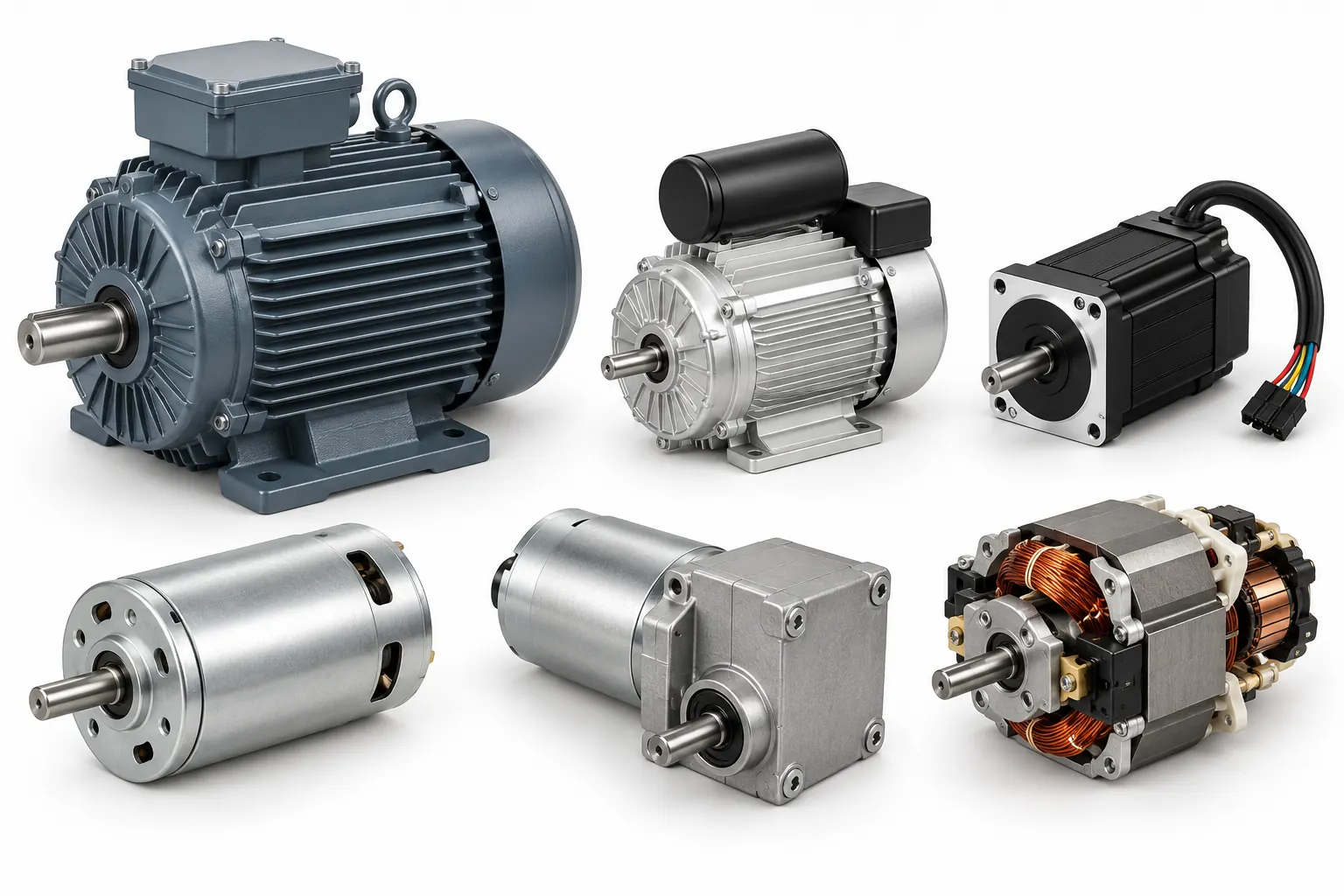
Household & Commercial Appliances
Start with equipment operating conditions and review intermittent loads, compact spaces and electrical safety.
Start with equipment operating conditions and review intermittent loads, compact spaces and electrical safety.
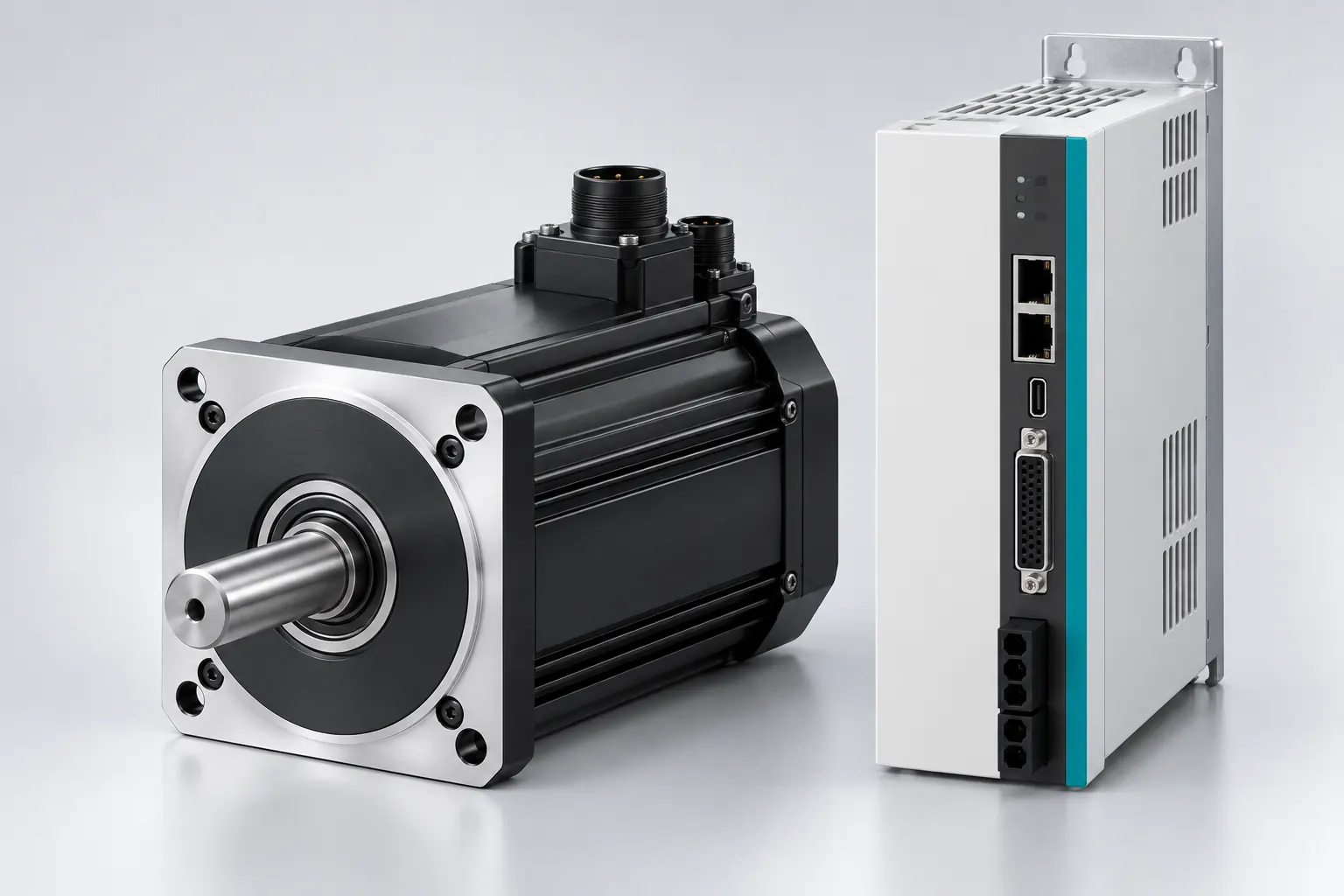
Define the application, load, duty cycle and installation conditions.
Review motor platforms, thermal margins and technical risks.
Agree on interfaces, parameters and sample validation.
Review materials and assembly requirements before prototyping.
Validate load, thermal rise and operating stability.
Confirm inspection, traceability and packaging.
Plan manufacturing, inspection and delivery against actual orders.
Document technical feedback and subsequent changes.
Provide sample information, drawings, a nameplate image link or an application description, with load, speed, voltage and duty details.
Share target parameters, shaft and flange dimensions. Feasibility must be confirmed by engineering review.
Agree them against the actual model, materials, tooling, validation and quantity.
Identify target markets, equipment standards and documents. Publish only valid evidence applicable to the actual product.
Share your requirements to define a practical next step.